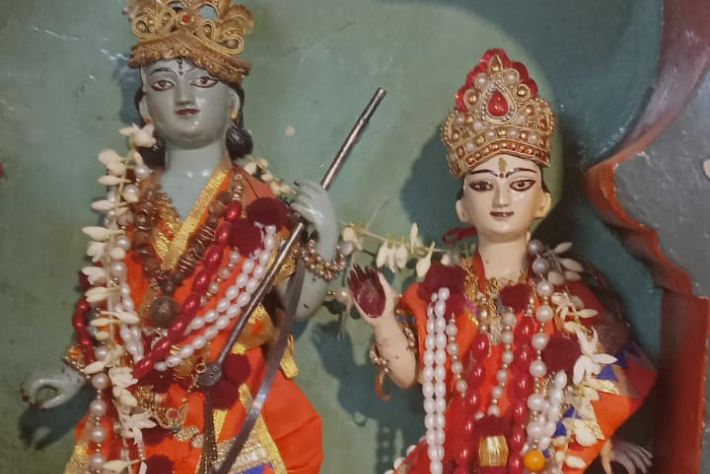
Kriya Yoga is a sacred spiritual practice that helps awaken inner consciousness and brings harmony between body, mind, and soul.

Kriya Yoga Awakens Inner Peace

What is

Kriya Yoga

Humanity has mastered the science of the material world yet remains largely ignorant of the science of the inner being. As a result of our relentless pursuit of material success and endless craving for more, life has become a struggle – marked by inner tension, turmoil, ache, agony, sorrow, and suffering. There are periods of happiness and mental peace, but they are fleeting, mere glimpses in an otherwise restless and distracted existence. While human thought has achieved marvels in the technical sphere, it has also given rise to a neurological defect: the separative psyche, the ego-centre. This centre has practical value for day-to-day functioning, but is not ‘real’ and breeds arrogance, aggression, animosity, and endless conflict at the psychological level. At its peak, this mischief of the human mind now endangers our very survival through nuclear and ecological crises. There is, therefore, an urgency of radical, spiritual renewal in the human mind.
Read More

Kriya Yoga is the science of the inner being. When one is initiated into this sacred science and practices its Kriyas with deep understanding, it becomes possible to evolve — from the sub-human to the human, and ultimately to the divine.

Through Kriya Yoga, it is possible for the "I"-ness, the separative consciousness we experience, to dissolve into a subtle individual uniqueness that also embraces the universal nature of existence. It restores harmony by piercing through the ignorance of the ways of the self, leading to a profound shift in the quality of day-to-day life. In the natural state that arises from Kriya practices, one remains in a state of calm and awakened awareness, no matter the external circumstances - like honey that returns to stillness even when disturbed, and unlike water, which becomes turbulent with disturbance.

Origin of

Kriya Yoga

The ancient Indian sage Patanjali, who lived between the 2nd century BC and the 4th century AD, is credited with authoring the Yogasutras, the definitive text on the whole philosophy of Yoga. In this work, the only yoga specifically mentioned by name is Kriya Yoga, suggesting that it may be the origin of the science of Kriya Yoga. The Gita also refers to some of the practices of Kriya Yoga.
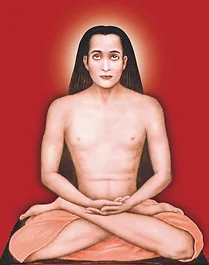
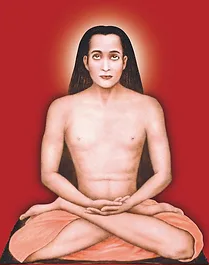
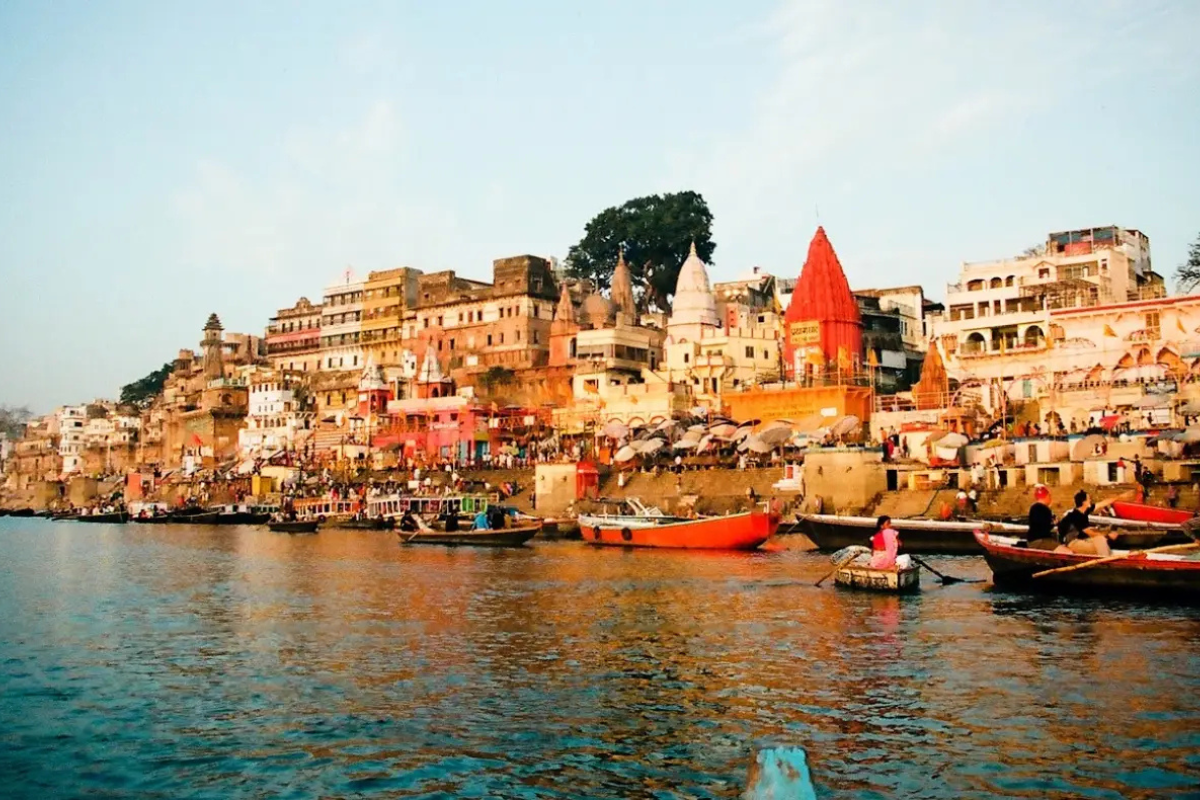
This ancient science was almost lost over time. In the 19th century, however, a brahmin of Bengali origin, living in Varanasi rediscovered this science. Shri Shyama Charan Lahiri, who worked in the British military cantonment office at Ranikhet in the Himalayas, had a chance encounter with a saint (whom he addressed as Babaji) from whom he received profound teachings and practices that he termed as Kriya Yoga, in alignment with the Yogasutras of sage Patanjali. He was advised not to abandon the family and the household but be available to relationships as mirror for self-knowledge to reveal the cunning and complicated activities of our separative psyche, the divisive consciousness, so that a division free awareness- the Divinity indeed- may flower in human beings.
Read More

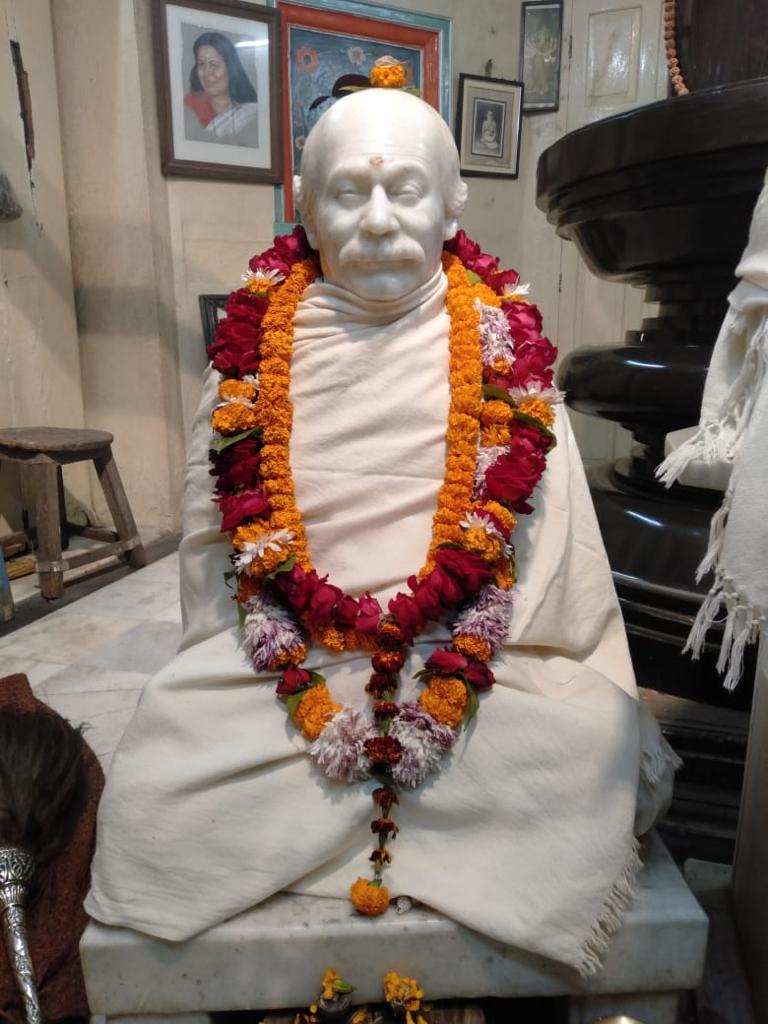
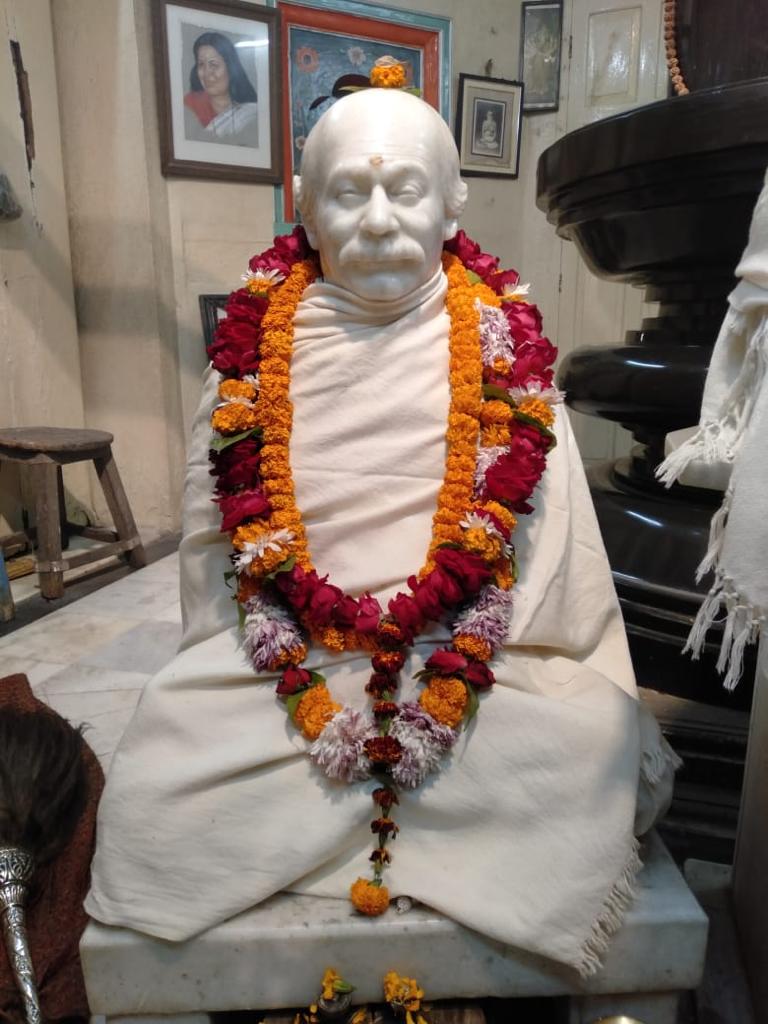
Thereafter a wonderful event happened which enabled him to get early retirement with pension facility. And thus, he returned home to Varanasi and began living as a quiet householder Kriya Yogi. He soon came to be called Lahiri Mahashaya and is known as the father of Kriya Yoga in modern times.

Online Yoga Class

Lacus suspendisse faucibus interdum posuere lorem ipsum dolor sit amet. Ipsum dolor sit amet consectetur adipiscing.

KRIYA YOGA: FUNDAMENTAL SPIRITUAL PROCESS OF INDIA

In the Yogasutras, the first sutra of the Sadhana Pad (the Chapter on Practice) is “Tapah Swadhyaya Ishwara-Pranidhanani Kriya Yogah”, which means Kriya Yoga is a progression through Swadhyaya, Tapah , and Ishwara-Pranidhan. This basic progression is reflected in the three-day Kriya Yoga initiation programs.

Day 1 focuses on Swadhyaya—an exploration of the ‘Swa’, or the sense of “I”-ness, and what it means to be naturally established in Equanimity. This involves a deep inquiry into the movements of consciousness—such as desire, fear, greed, anger, envy, and the tendency to seek solace in belief systems.

Day 2 is dedicated to learning the Kriyas (practices), referred to as ‘Tapah’. For most people, being in a state of equanimity does not come naturally and practices are essential to nurture and consolidate that state.

Day 3 introduces ‘Ishwara-Pranidhan’ – the perception of a non-divisive, holistic dimension of awareness that offers a release from the stranglehold of fragmented, divisive consciousness that typically shapes our experience of life.

There are no fees since the process is priceless. As per India’s ancient Guru-Shishya tradition, a voluntary Guru Dakshina (offering to the Guru) can be given to support practical expenses.

DYNASTIC LINEAGE OF KRIYA YOGA

The teachings and practices flowed in two streams: the ‘Vansha Parampara’ (dynastic lineage) and the ‘Shishya Parampara’ (disciplic lineage). In the Vansha Parampara, the sacred knowledge is passed down from father to son within the family bloodline of Lahiri Mahashaya, where the spiritual son is also the biological son, receiving initiation directly from his father. On the other hand, the Shishya Parampara involves the transmission of teachings from a Guru, as the spiritual father to his disciple, the spiritual son. The disciple then initiates more disciples and thus the stream flows.
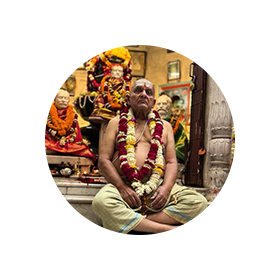
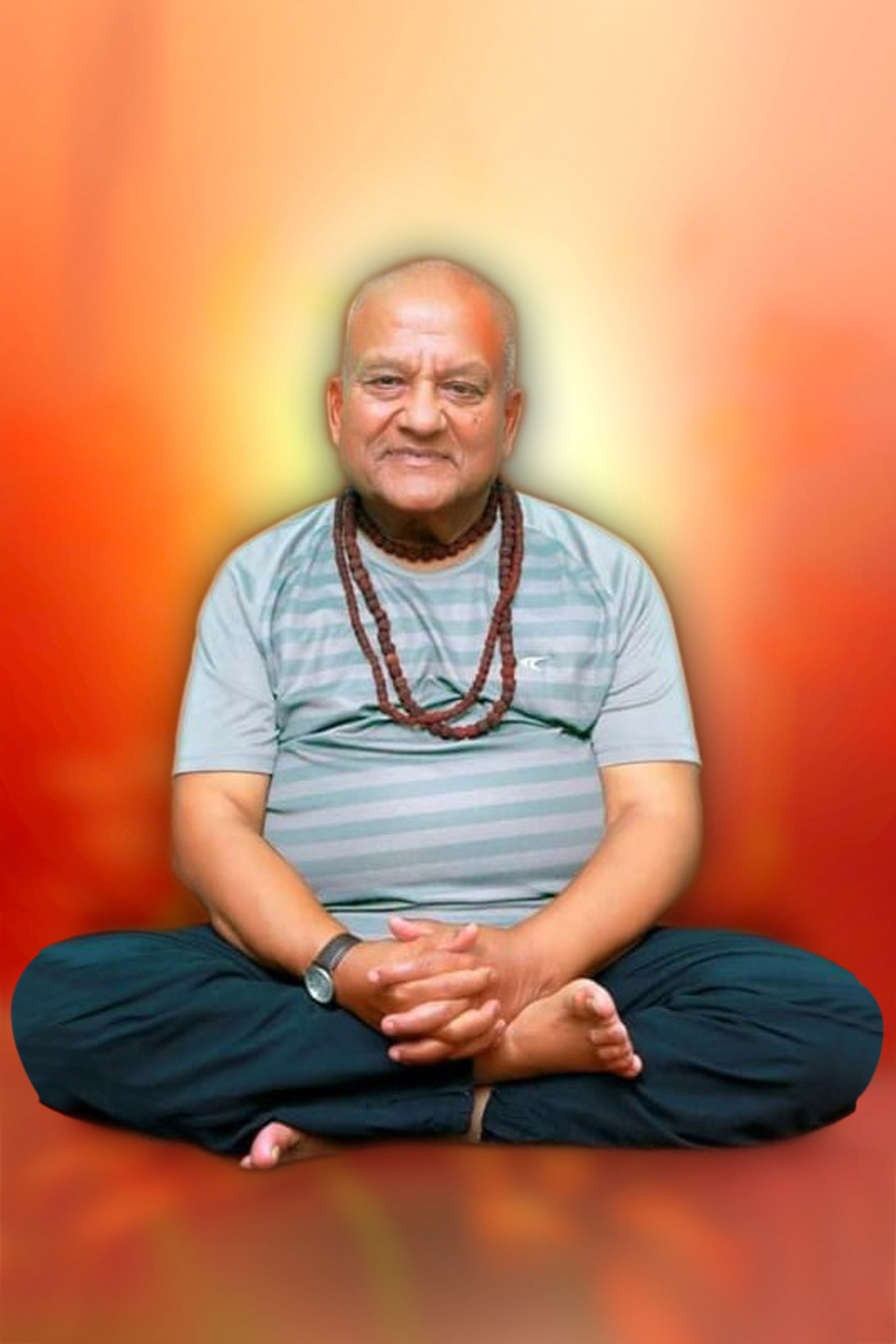
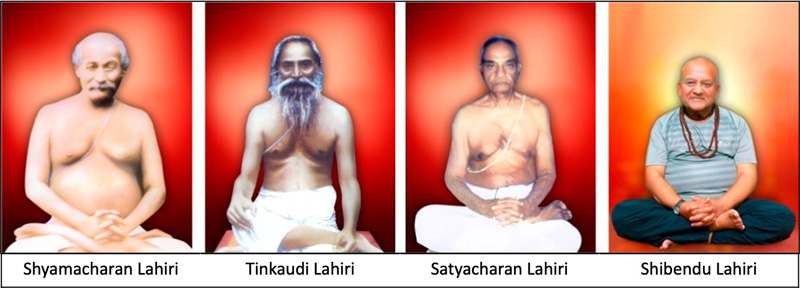
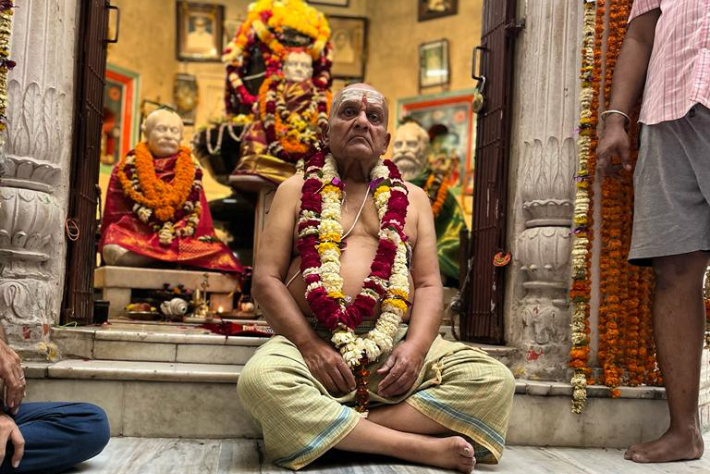
In the dynastic lineage, the stream has continued in the age-old Rishi tradition of India from Lahiri Mahashaya to his son Tinkaudi Lahiri who initiated his son, Satyacharan Lahiri, who then initiated his son Shibendu Lahiri. Shibendu Lahiri has passed the teachings to his son, Ujjwal Lahiri, the present guru, who continues this sacred tradition. The Kriya Yoga teachings in this lineage remain in their purest form, as no modifications have been made to the Kriyas by any of the yogis in this stream. There was no formal organization during Lahiri Mahashaya’s time, and none exists even now, in the current generation of Ujjwal Lahiri. Veracity cannot be organized; only vanity and vested interests are. Kriya Yoga initiation programs for new aspirants are held at the private family shrine and temple, ‘Satyalok’ (meaning ‘Abode of Truth’) in Varanasi. Shri Ujjwal Lahiri was initiated here in 1987 by his father.

SHRI UJJWAL LAHIRI

In 2019, Shri Ujjwal Lahiri took over the responsibilities of the family lineage, following the instructions of his father and then-Guru, Shri Shibendu Lahiri, who stepped back due to his advancing age. Shibendu ji took Mahasamadhi in 2024.
Since 2019, Ujjwal ji has been guiding ‘sadhaks’ or aspirants from around the world through Kriya Yoga initiation programs in Varanasi. He also leads regular satsangs and retreats for ‘Kriyavans’ (i.e., those who have been previously initiated in the dynastic lineage).
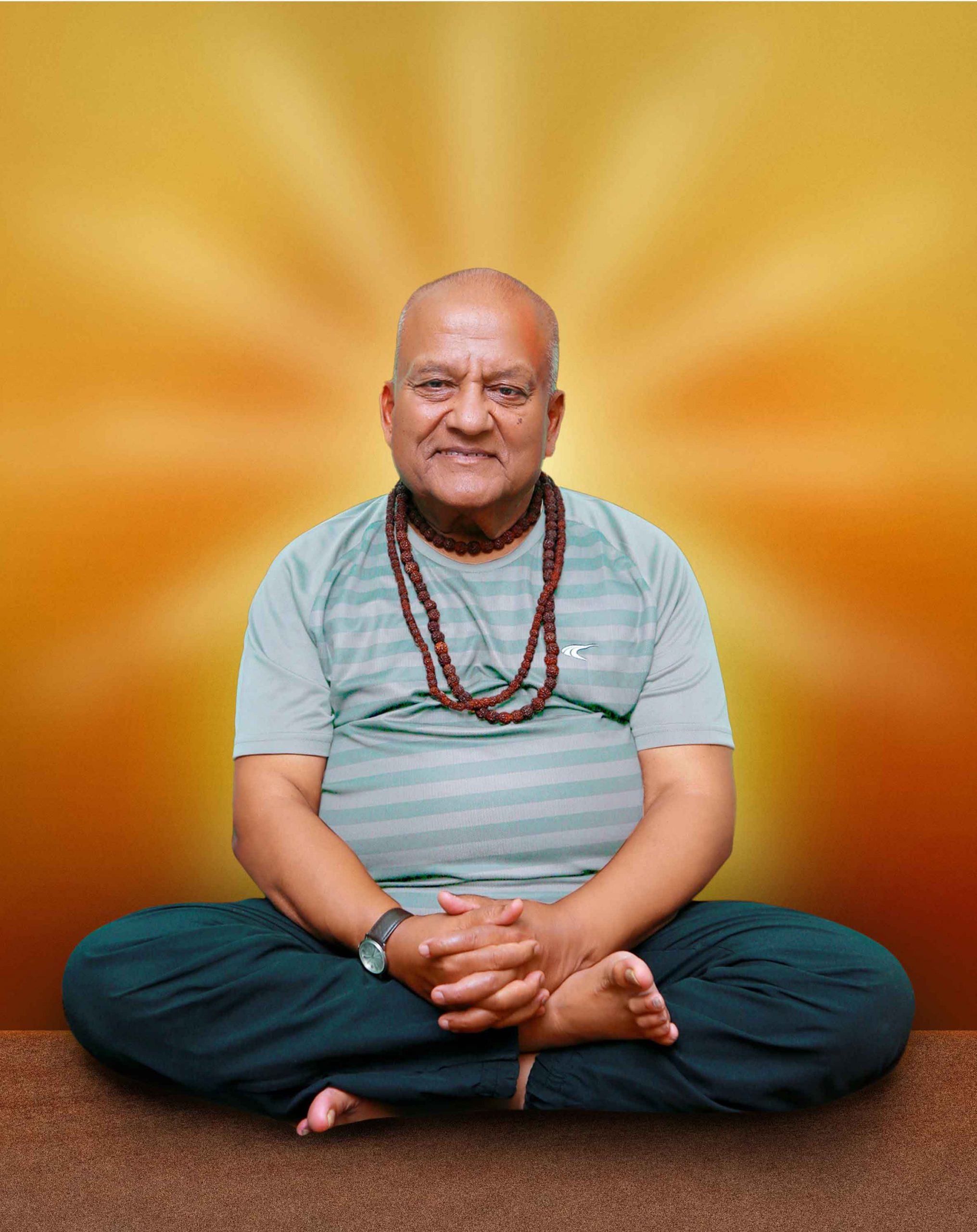
Like his forefathers, Shri Ujjwal Lahiri is a householder yogi, living a life rooted in family responsibilities. Educated in prestigious institutions of India, as an electrical engineer from the Indian Institute of Technology (IIT), Kharagpur, and an MBA from XLRI, Jamshedpur, he has spent a professional career working in organizations in India and abroad. He has navigated his share of life’s ups and downs with calm detachment, embodying the spirit of a true yogi. His journey serves as a source of inspiration for many householder disciples on the path.

PROGRAMS AT SATYALOK, VARANASI

Initiation programs are held over 3 days at Satyalok, three times a year in January, July and October coinciding with Guru puja and Vedic ceremonies as per the traditional Indian calendar. The exact dates for a particular year can be found on the website www.kriyayogalahiri.com.

Perfect Poses For You

Stay Calm Be Healthy

Contact Us